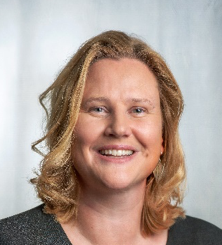


Julia Konings, MSc
PhD student
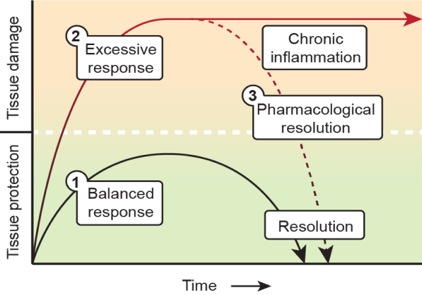
In my research we aim to explore the role of resolution in the development and pathogenesis of MS, focusing on the underlying mechanisms of impaired lipid mediator biosynthesis as observed in MS. This will be done by investigating expression levels and epigenetic signatures of receptors, transporters and enzymes involved in their biosynthesis and degradation and modulate such pathway in MS model systems in order to dampen neuro-inflammation.

Marc Franssen
MD-PhD student
I focus mainly on lipid mediators in stroke and subarachnoid hemorrhage. In doing so I hope to explore how these lipid mediators modulate these pathologies. Specifically, I hope to discover specific lipid mediator profiles in patients which can be used in the future as novel biomarkers.

Wing Hee Fung, MD
MD-PhD student
My research interests center around the role of lipid mediators in health and disease, especially in Multiple Sclerosis. High-throughput analysis is used to identify biomarkers for prediction of disease state, disease progression and therapeutic response in Multiple Sclerosis.

Tessa van Elk
Research technician
The project I mainly work on focuses on unraveling the role of bio-active lipid mediators in resolution mechanisms in multiple sclerosis. I also contribute to the group by supporting lab organization and providing practical hands-on help when needed.

Serhii Chornyi, PhD
Postdoc
I investigate how the metabolism of diverse lipid classes—such as ether lipids, oxylipins, sterols, and bis(monoacylglycero)phosphates—shapes pathological processes (inflammation and demyelination) as well as pro-resolution mechanisms (remyelination) in the brain in diseases such as multiple sclerosis and meningitis. Using induced pluripotent stem cell models and postmortem tissue, combined with mass spectrometry and genetic engineering, I aim to identify therapeutically targetable pathways within lipid metabolism.

Daisy van Egmond, MSc
PhD student
My research focuses on the role of lipid mediators in Multiple sclerosis, particularly in neuroinflammatory processes. With the use of specific compounds targeting lipid mediator biosynthesizing enzymes, we aim to reveal their underlying fundamental mechanisms in neuroinflammation, and potentially modulate LM biosynthesis favorably in MS. This work involves in vitro models, such as myelin-treated macrophages, combined with lipidomics to comprehensively characterize lipid mediator profiles and integrate these findings into more complex translational systems.

Rianne van der Burgt, MSc
PhD student
My projects look into the levels of oxylipins in the central nervous system of people with Multiple Sclerosis and how they affect either Microglia, T/B cells or Endothelial cells. To do so, we perform targeted lipidomics on samples from clinical cohorts, identify levels of oxylipins or related proteins in post-mortem tissue and mimick effects of oxylipins (e.g. 15-HETE or PGE2) in vitro with primary cell lines or human iPSC-derived models.

Gema Muñoz González, MSc
PhD student
My research investigates early changes within the normal-appearing white matter of the Multiple Sclerosis brain. Specifically, we study subtle alterations in myelin lipids that may compromise myelin structure and lead to functional deficits. By integrating LC-MS/MS lipidomics, biochemical assays, and advanced microscopy techniques, we aim to understand the molecular triggers and consequences of these early myelin changes. Furthermore, we are currently establishing a human post-mortem organotypic slice culture model for investigating Multiple Sclerosis disease mechanisms and screening potential therapeutic interventions.

Sue Gibbs

Febe van Maldegem

Elga de Vries

Sandra van Vliet
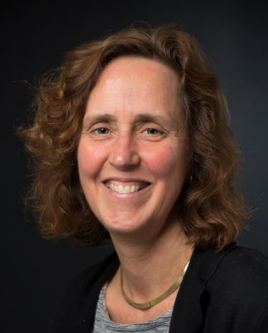
Reina Mebius

Yvette van Kooyk
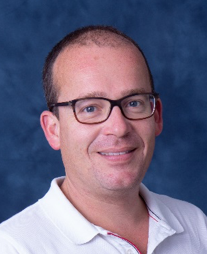
Jack van Horssen

Joke den Haan
Juan J. Garcia Vallejo